
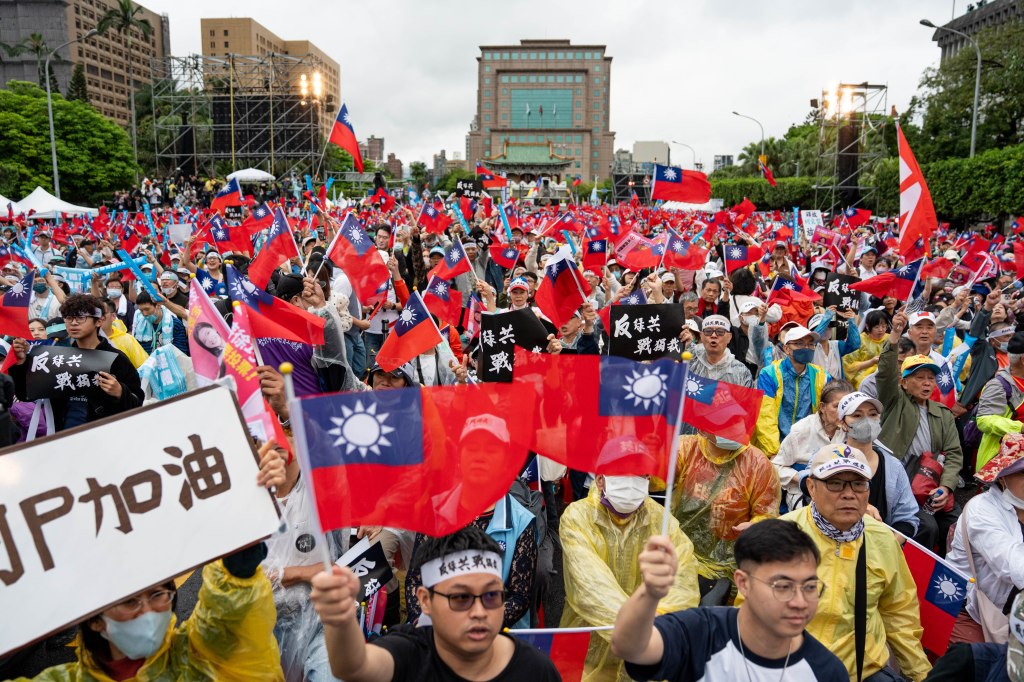
Taiwan’s movement to recall KMT legislators en masse is unprecedented. What are the implications for national security if it fails?
After making it through the first two stages of the recall procedure, 24 recall elections for Kuomintang (KMT) representatives in the Legislative Yuan (LY)—Taiwan’s legislature—will take place on Saturday, July 26.
This scale of recall for elected officials is unprecedented not only in Taiwan, but worldwide
Another 7 recall votes are scheduled for August (and there may be others later on) but the July 26 votes are seen as the most significant.
According to the pro-Taiwan-autonomy Democratic Progressive Party (DPP) and their allies, at stake is more than simply how Taiwan is run, but rather how the beleaguered island deals with the increasing threat from the Chinese Communist Party (CCP) bent on annexing what it regards as a rogue province of China.
The DPP is giving major support to the recall, which is being conducted by several civil society organizations.
Currently, the KMT have 52 seats in the LY, the DPP 51, and the Taiwan People’s Party (TPP)—which has been working in coalition with the KMT—another 8. Plus, there are 2 pro-KMT independents. Thus, the KMT/TPP coalition has 62 of the 113 total seats, a comfortable majority.
If half of the 24 recalls are successful, the KMT would lose 12 and the total number of effective LY seats would go down by those 12, giving the DPP 51 out of 101 seats—but only temporarily. In districts where the recall effort succeeds, there must be a byelection for a new legislator within three months.
These could go either way. But if the DPP can flip six seats, they gain full control of the Legislative Yuan.
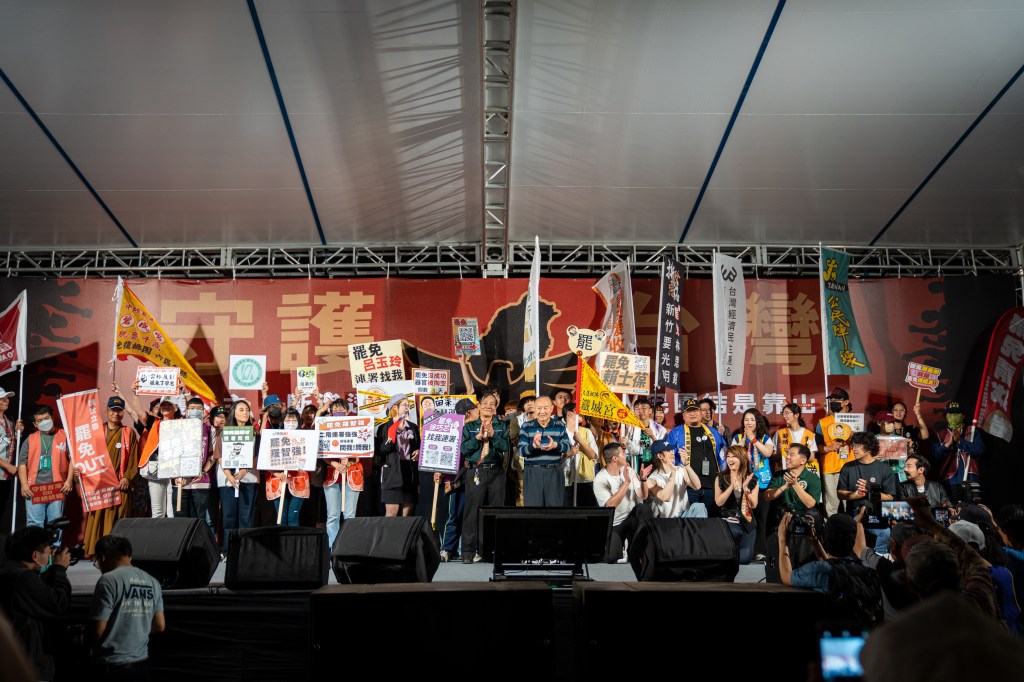
How did we get here? This extreme level of recall was sparked by equally extreme actions by the KMT and their allies in the LY.
It all started after the January 13, 2024 elections, when Lai Ching-te from the DPP was elected president.
That same election saw the KMT—together with their allies-for-now the Taiwan People’s Party (TPP)—gain a majority in Taiwan’s Legislative Yuan (LY) for the first time since 2016.
This new KMT/TPP bloc came roaring out of the gates with an aggressive new bill to give the LY the right to summon individuals for hearings—including members of the military with sensitive information—with stiff penalties for non-compliance.
When Taiwan’s Constitutional Court issued an injunction against parts of the bill, the KMT/TPP coalition amended the Constitutional Court Procedure Act, raising the quorum to 10 judges (there are currently only 8) and then refused to approve the appointment of any new ones. This paralyzed the court, making it powerless to block any future KMT/TPP bills.
The alliance then went on to pass another bill redistributing some tax revenue from the central government to local governments, most of which are KMT controlled. They also clipped the proposed central government budget by 6.6%, and temporarily froze parts of military spending.
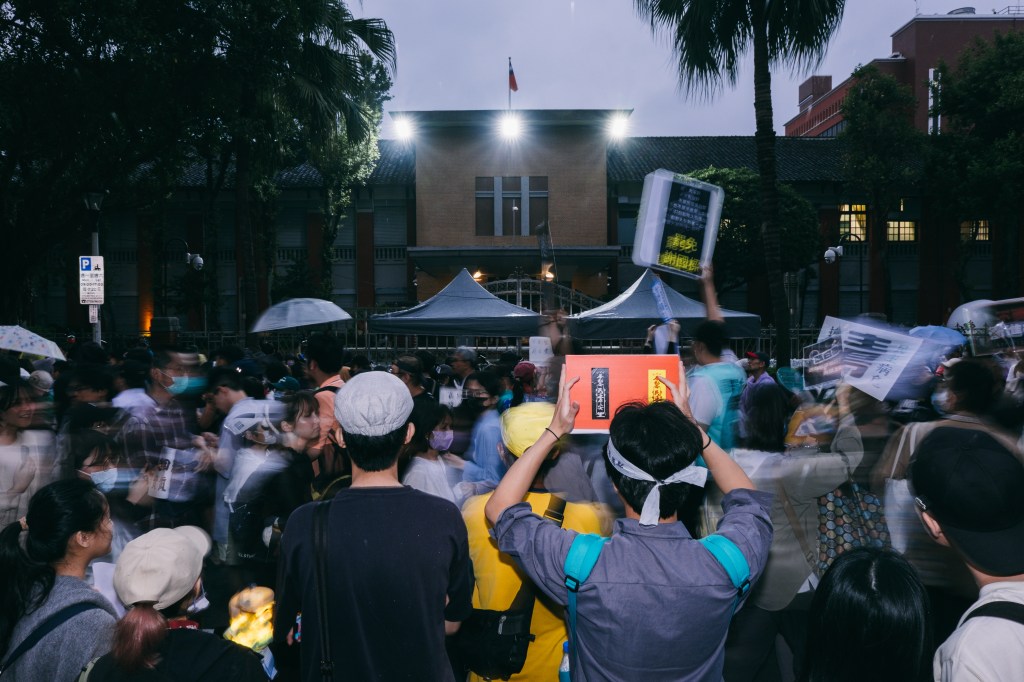
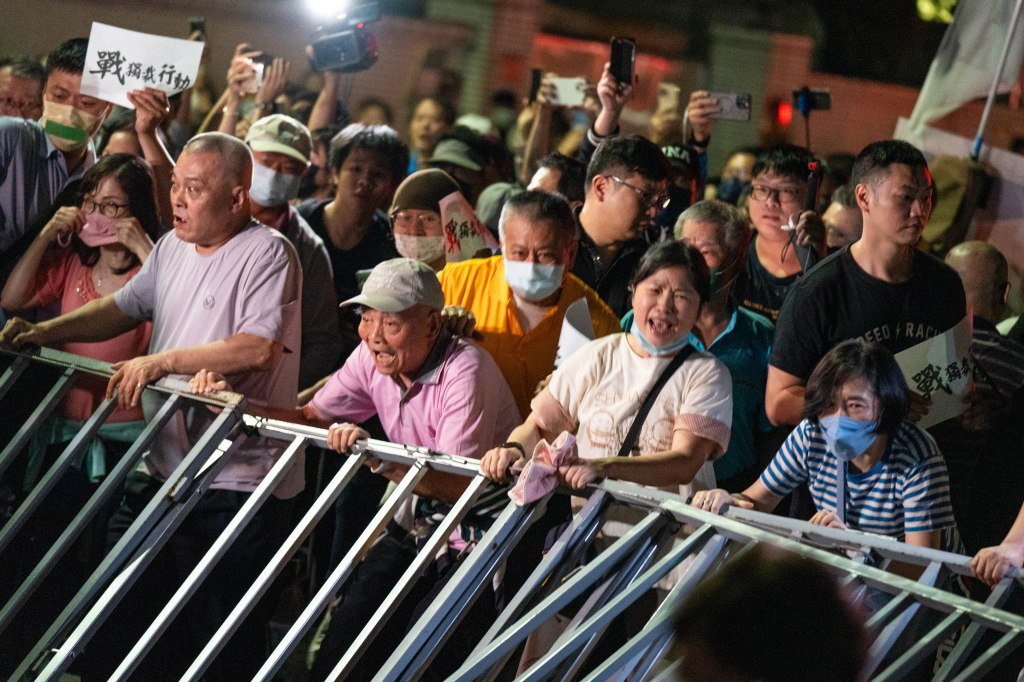
These moves sparked outrage among DPP allies, who called them an unconstitutional power-grab that would aid Beijing. Mass protests erupted outside the LY—the so-called “Bluebird Movement”—in May, 2024, which created momentum that led to the mass electoral recall campaigns, also known as Great Recall Wave, which began in early 2025.
In response, the KMT tried their own recall efforts on 15 DPP legislators, with no results to date other than getting over 100 of their recall workers charged for forgery and related crimes.
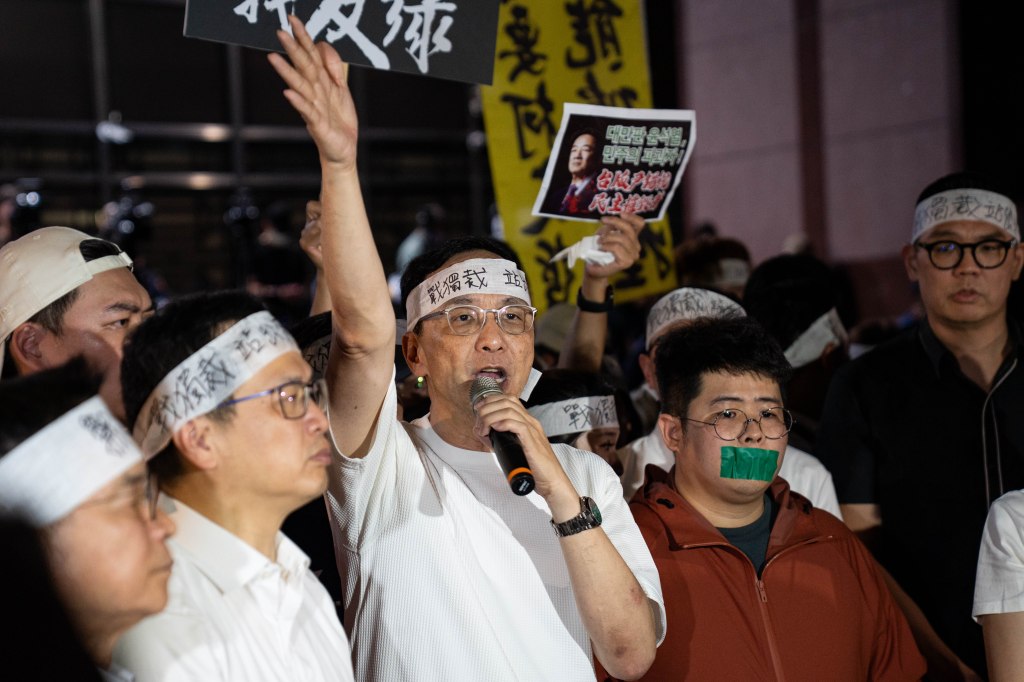
One pro-KMT activist summoned for questioning by the court appeared wearing a Nazi armband, carrying a copy of Mein Kampf, and performed Nazi salutes in front of reporters, implying that Lai was an authoritarian like Hitler for repressing his opposition.
His satirical theatrics didn’t go over well. But the KMT side may have the last laugh if recall efforts fail, or if the subsequent byelections don’t grant the DPP a majority.
It is a complicated situation, but one key issue stands out: How would an emboldened and resentful KMT impact President Lai’s national security agenda intended to counter the growing threat from China? Would they serve as a Trojan horse for CCP infiltration in Taiwan, as the DPP and its allies have alleged? At first glance, it seems at least plausible.
Since former Speaker of the House of Representatives Nancy Pelosi’s visit in August 2022, there have been regular military rehearsals for a Taiwan blockade or invasion by the rapidly-modernizing People’s Liberation Army (PLA), as well as daily grey-zone harassment by air force jets and navy ships maneuvering close to Taiwan.
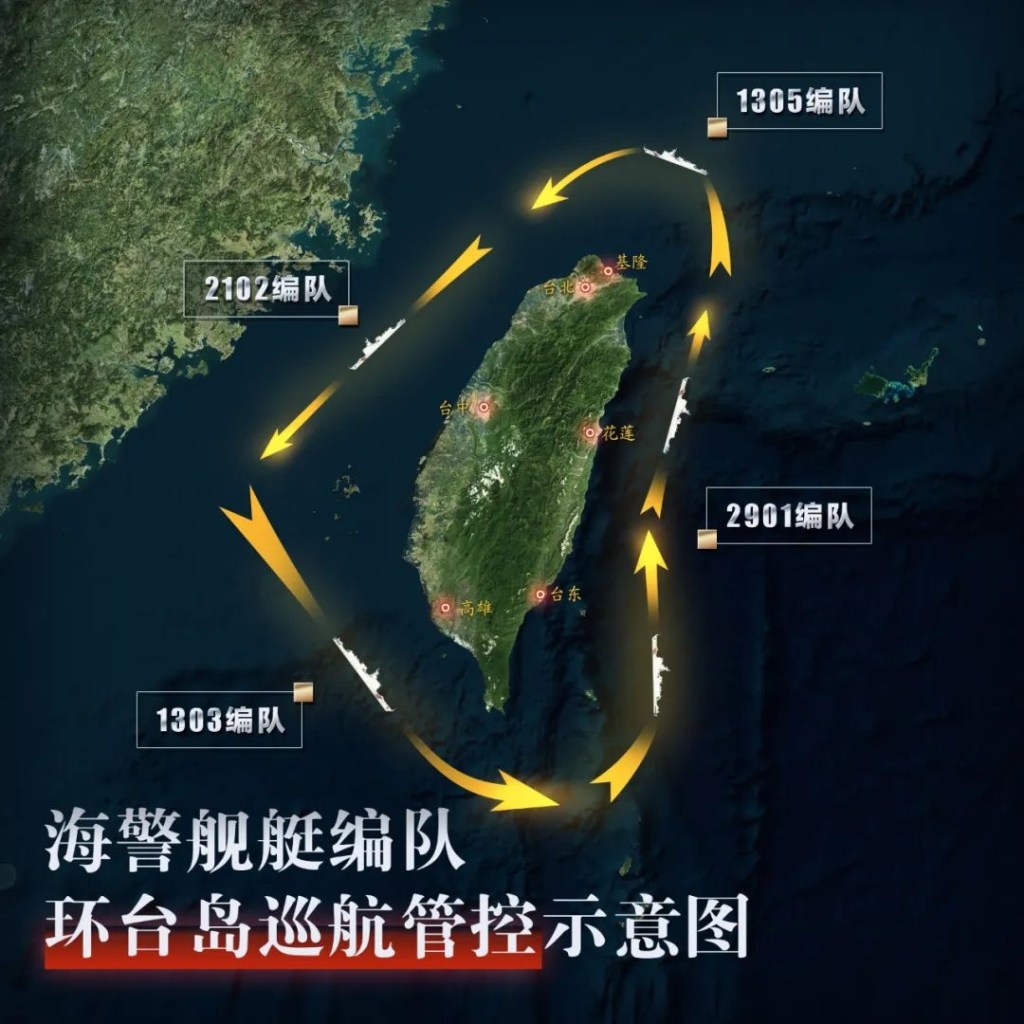
There have also been incessant cyber-attacks, espionage, cognitive warfare, lawfare, and influence operations by the CCP.
All of this has ramped up significantly since Lai took office.
In 2024, 64 people in Taiwan were charged with espionage-related offences. This was more than in the previous two years combined. About 60% of those charged were retired or active-duty military personnel.
Three soldiers from Lai’s own security detail were sentenced in March 26, 2025 for leaking confidential data to Chinese intelligence.
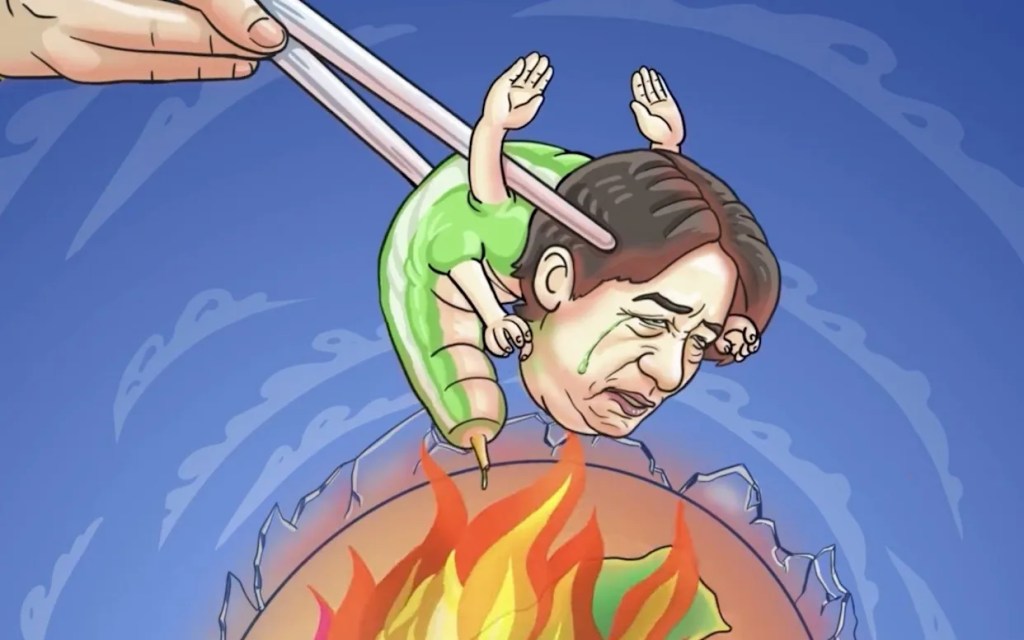
In response to this, on March 13, 2025, Lai stated that China qualified as a “hostile foreign force” under the Anti-Infiltration Act of 2020, and announced his Seventeen National Security Measures. One of these was the restoration of military tribunals for active-duty personnel involved in espionage against Taiwan.
However, despite this clear pattern of Chinese intelligence penetration, KMT Chairman Eric Chu denounced the move, accusing Lai of “stigmatizing the military” and unfairly portraying the armed forces as being infiltrated by China.
Chu also claimed the Democratic Progressive Party’s past support for the abolition of military courts in 2013 had “weakened the armed forces and allowed communist infiltration.” This is a bit bizarre, since the abolition occurred in August 2013 under KMT President Ma Ying-jeou, and when the KMT had an absolute majority in the LY.
Chu has consistently painted Lai as an autocrat intent on eliminating all opposition to his power.
Rather than accept that mistakes had been made in the KMT’s efforts to recall DPP legislators, Chu said: “What Lai Ching-te has been doing to the opposition is exactly what Hitler did” during his dictatorship, accusing Lai of using judicial investigations to “eliminate” the opposition and establish a dictatorship.
This over-the-top rhetoric even sparked sharp rebukes from the German and Israeli government representatives in Taiwan.
What specific future actions related to cross-Strait security might the KMT/TPP coalition take if they retain their control of the LY?
The following is just conjecture, but it based on the KMT’s pattern of behavior in the LY since the last election.
One possibility is a modification of the Cross-Strait Act (1992. Last amended 2019) such as redefining the Taiwan Strait as “Internal Waters” as recently proposed by KMT Legislator Chen Yeong-kang and 18 coalition lawmakers.
This could be framed as intended to avoid conflict in the tense waters around Kinmen and Lienchiang (Matsu) island groups. But critics assert that it risks legitimizing Beijing’s claim that cross-strait issues are “domestic” rather than international.
The Act could also be modified to loosen restrictions on cross-Strait contact, or to remove or weaken reporting requirements for contact with PRC entities. This could be sold as promoting positive exchanges between China and Taiwan, but could also allow for greater penetration by the CCP’s United Front Work Department.
The LY coalition might even seek expanded legislative oversight of cross-Strait policy, requiring the Executive Yuan to seek Legislative Yuan approval for defense and China-related strategies. Framed as civilian oversight, this could also hamper executive flexibility and empower pro-China legislators.
Of course, just because these ideas have been suggested by some KMT members does not mean they will gain the approval of the caucus leadership.
But regardless of how the recall pans out, the KMT/TPP will probably continue with negative messaging to undermine Lai’s popular support at home, which could complicate his efforts to signal to the world—especially the Trump administration—that Taiwan is stepping up for its own defense.
This raises the question even among neutral observers: Whose side is the KMT on? Taiwan’s or China’s? The most likely answer is “China’s”—the Republic of China, that is, and not, they say, the People’s Republic of China or the Communist Party of China . How realistic or sustainable that is, given the PRC’s ambitions and growing strength, remains an open question.
Stay tuned for Part 2: The KMT’s enigmatic “China Dream“

 The Culture Shack