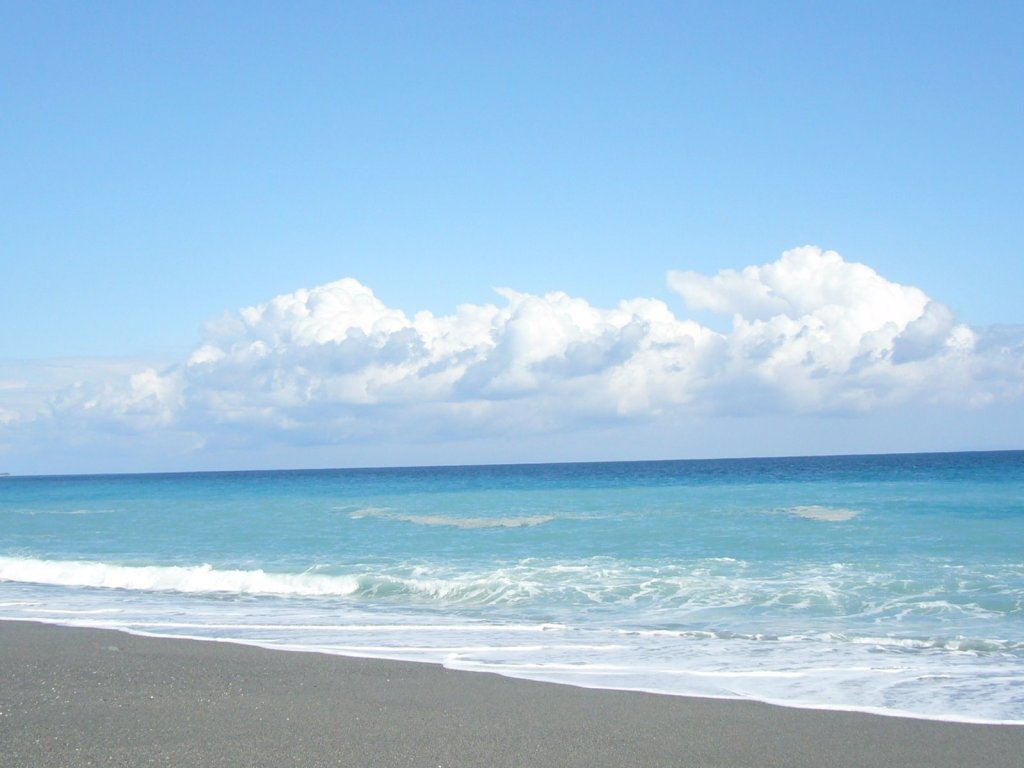
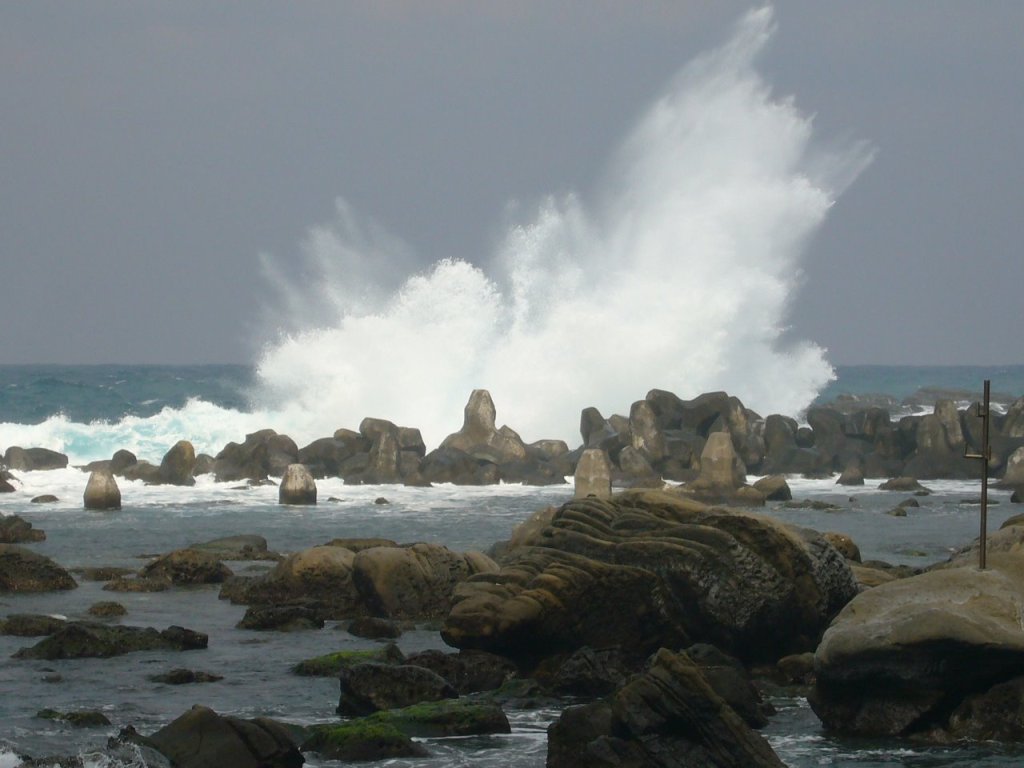
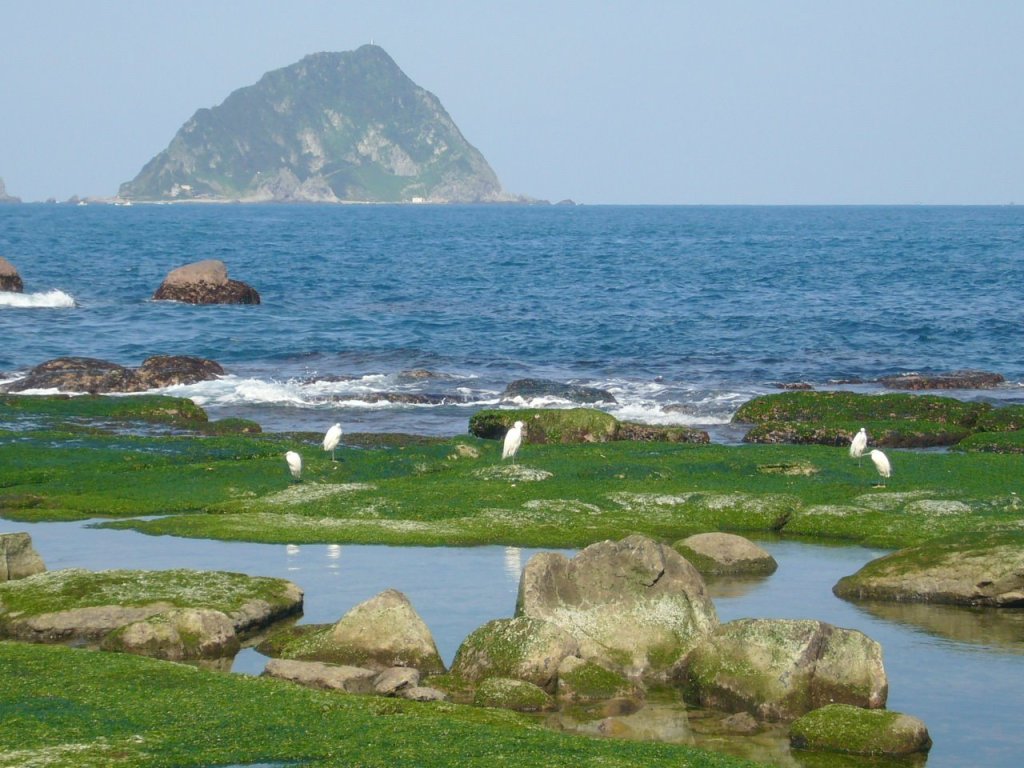
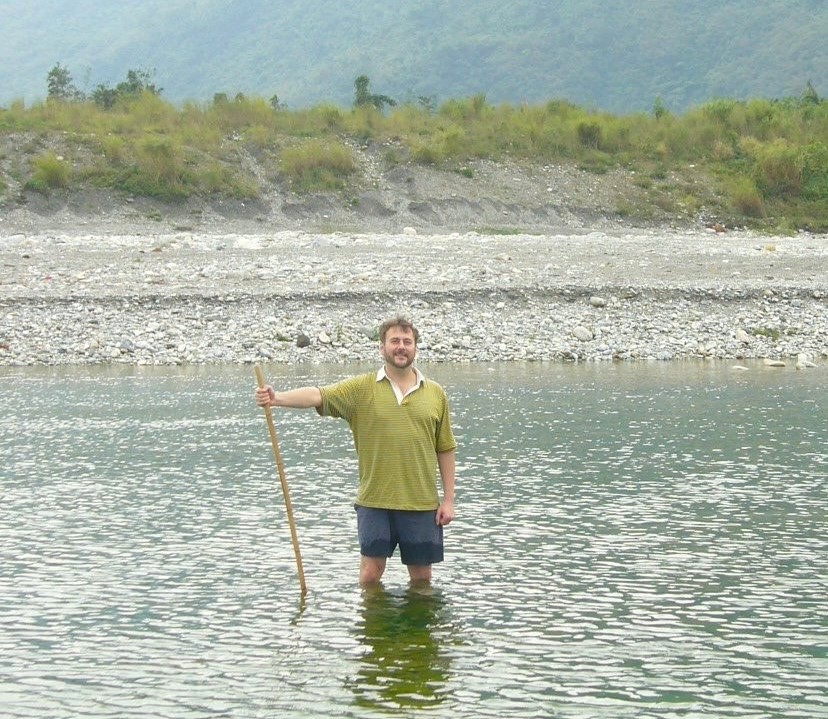
This May marks the 5th anniversary of the publication of my book, Taiwanese Feet: My Walk Around Taiwan, a travelogue about my multi-stage walking journey around the entire coastline of Taiwan. And like myself during that long journey, time just keeps moving along. In fact, my 60th birthday is coming up this June. That is a sobering milestone. But my grief over lost youth is partially soothed by happy memories. Of course, quite a few parts of my walk were difficult or tedious. But there were many more wild and free moments, especially along the east coast. There, the ocean was my true-blue friend, with its fresh winds, the roar and hiss of waves breaking on silver-pebble beaches, and clouds flirting with an endless horizon. And always that next piece of coastline to follow, my route ahead tracing the edge of the coastal mountains, stretching into the hazy distance. Those were good times.
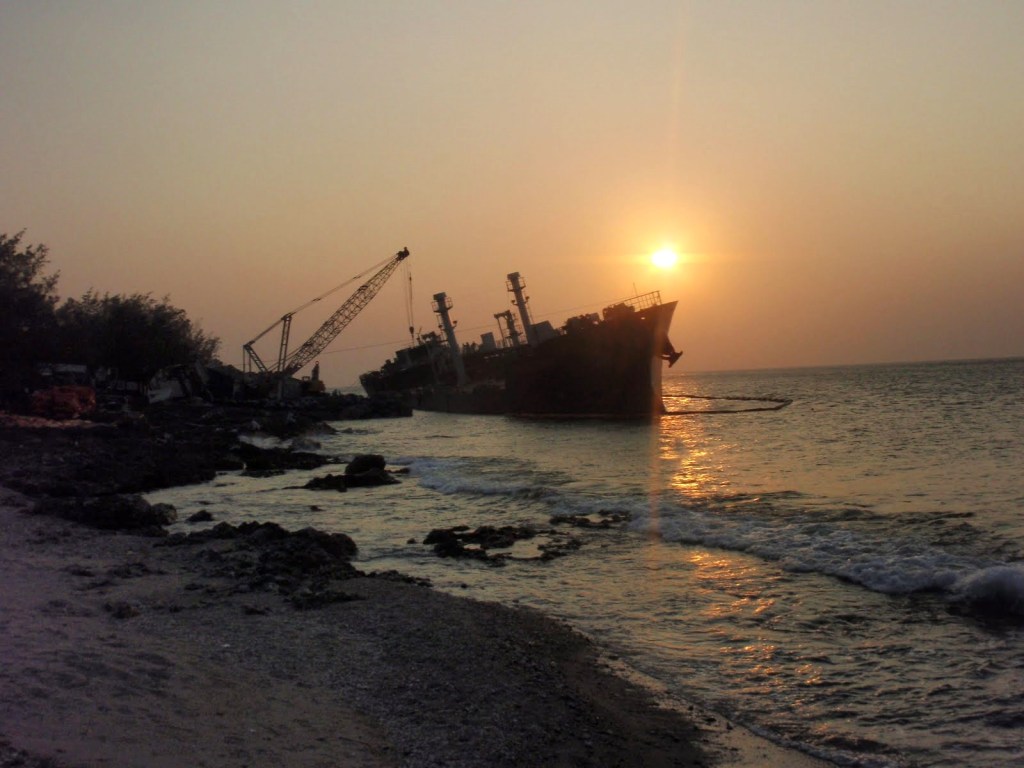
Here are a few pictures from the walk. There is more article text below them.
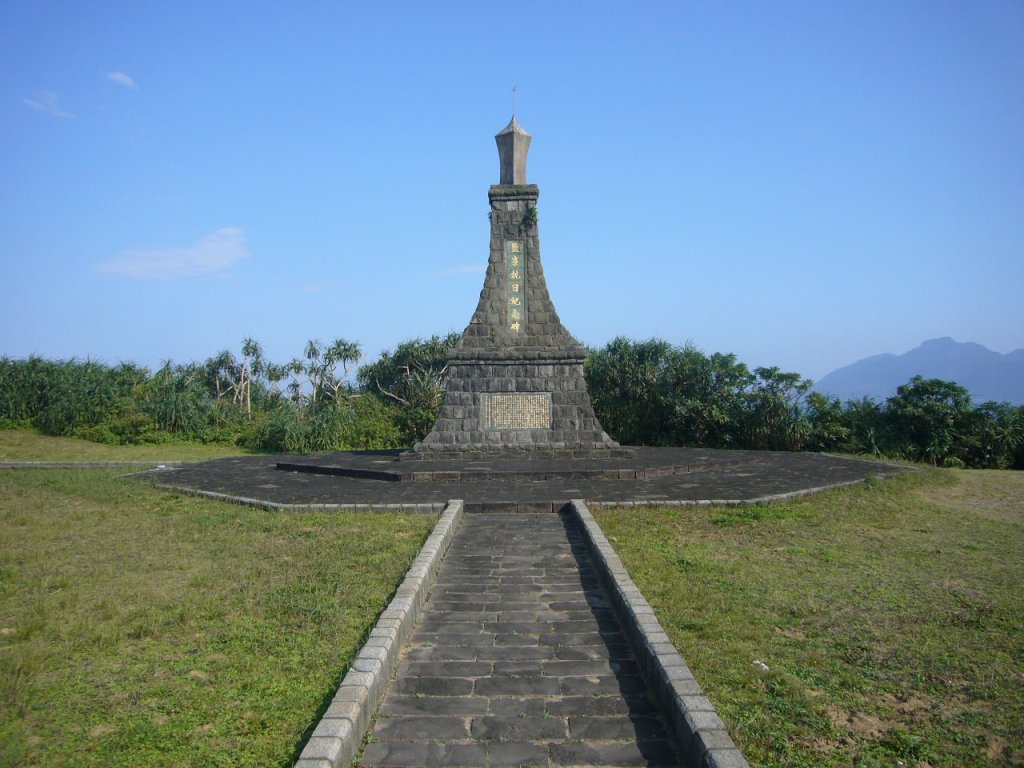
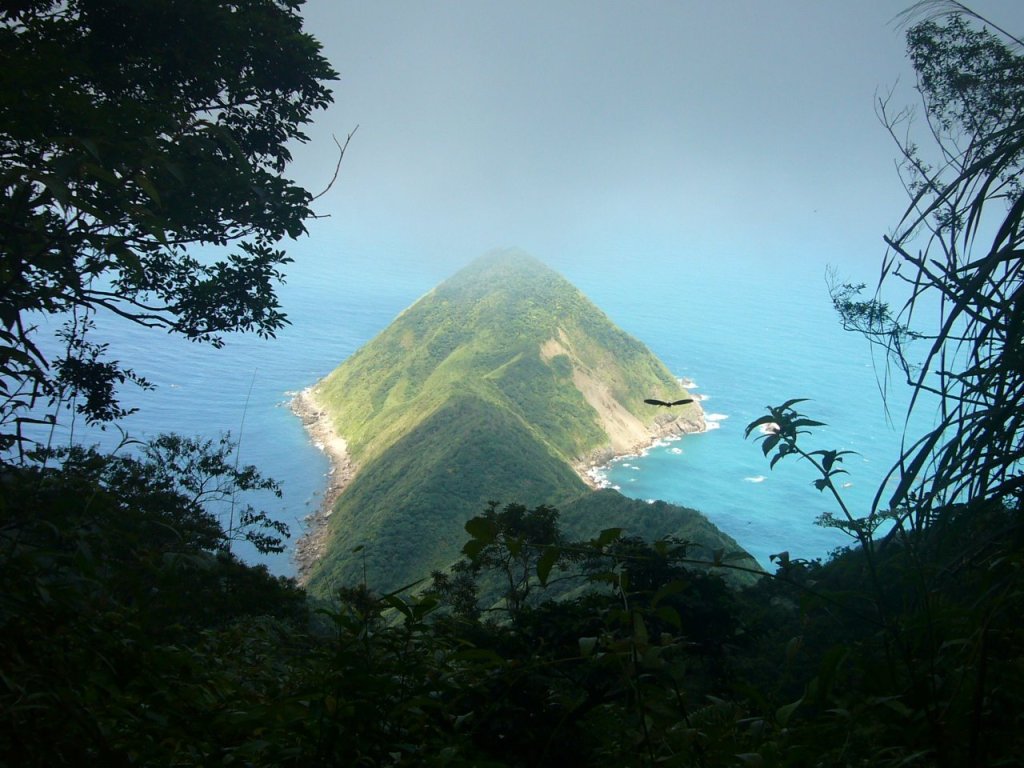
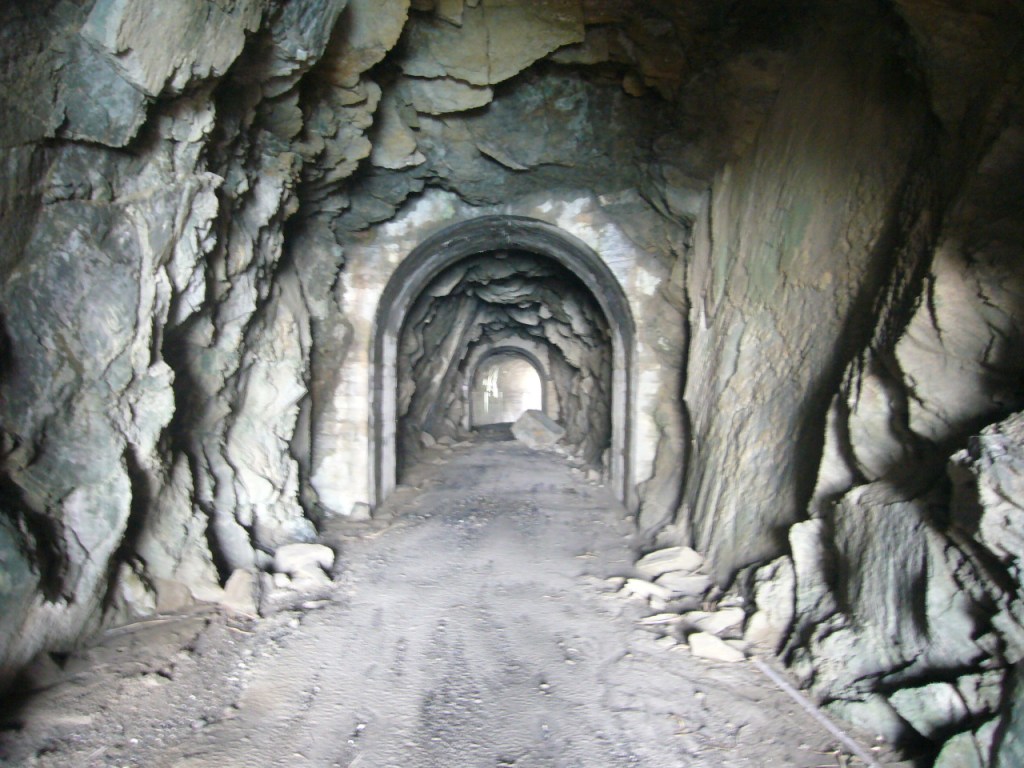
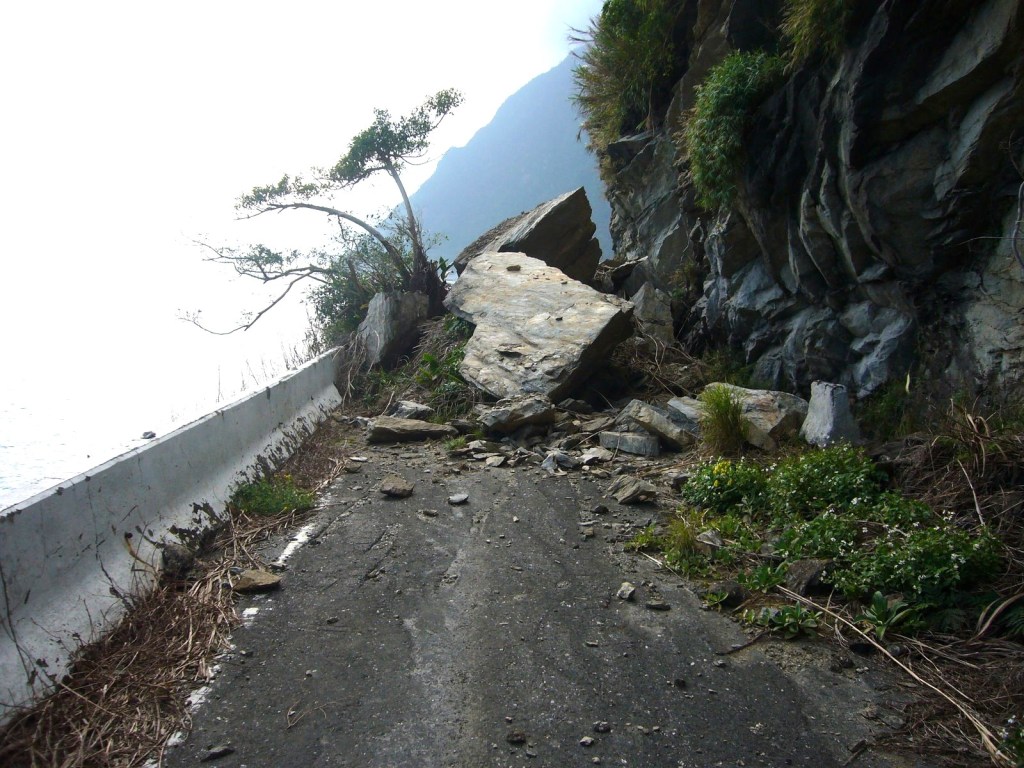
But rather than live in the past, I am already halfway through my next adventure: exploring every street and neighborhood in the Taipei Basin on foot or by bicycle. I have traded the bright beaches for grey streets and concrete buildings—a poor exchange, some might say. Although Taipei can be a bit crowded, grimy, and shabby—and frankly, nowhere near as beautiful as the coast—my journeys are anything but boring.
The older, famous parts of town are richly historical. Areas like Dadaocheng and Wanhua attract many tourists, due largely to their restored buildings from the Qing Dynasty and the Japanese colonial era, the latter notable for their stylized Baroque facades. Also scattered around the city are also roughly two dozen “military dependents’ villages,” clusters of tiny rustic homes, often with narrow alleys meandering between them. These are left-overs from the late 1940s, when over a million KMT “mainlanders” fled to Taiwan due to Mao’s victory in the Chinese Civil War. The old Taiwan is plainly visible in these places.
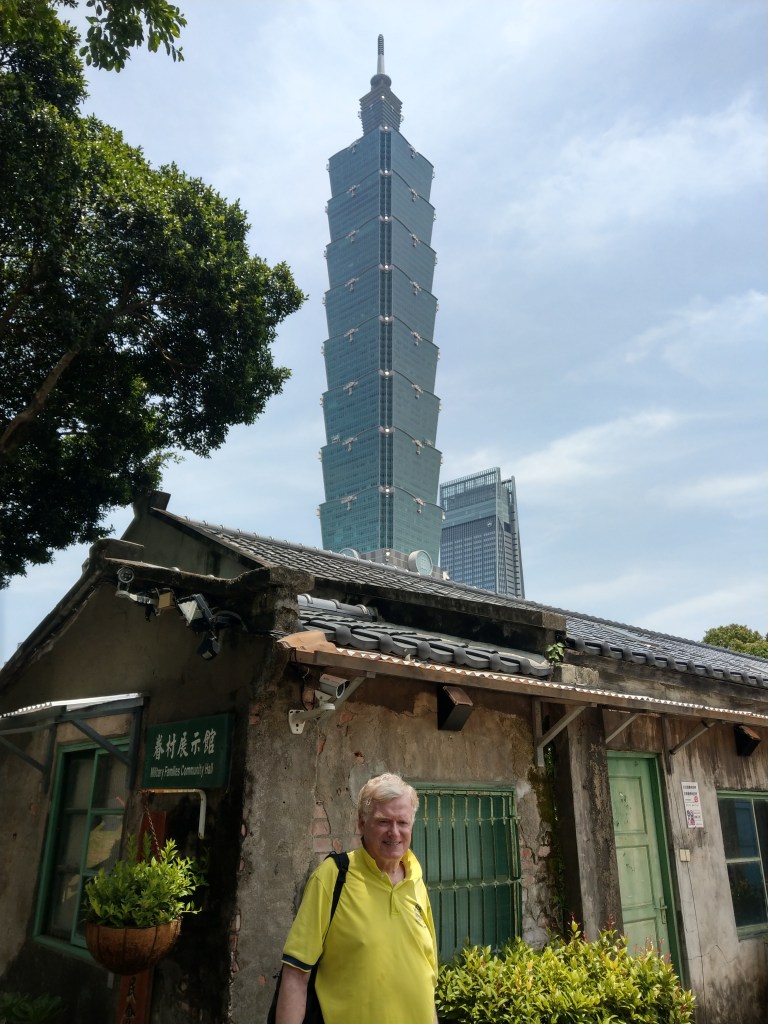
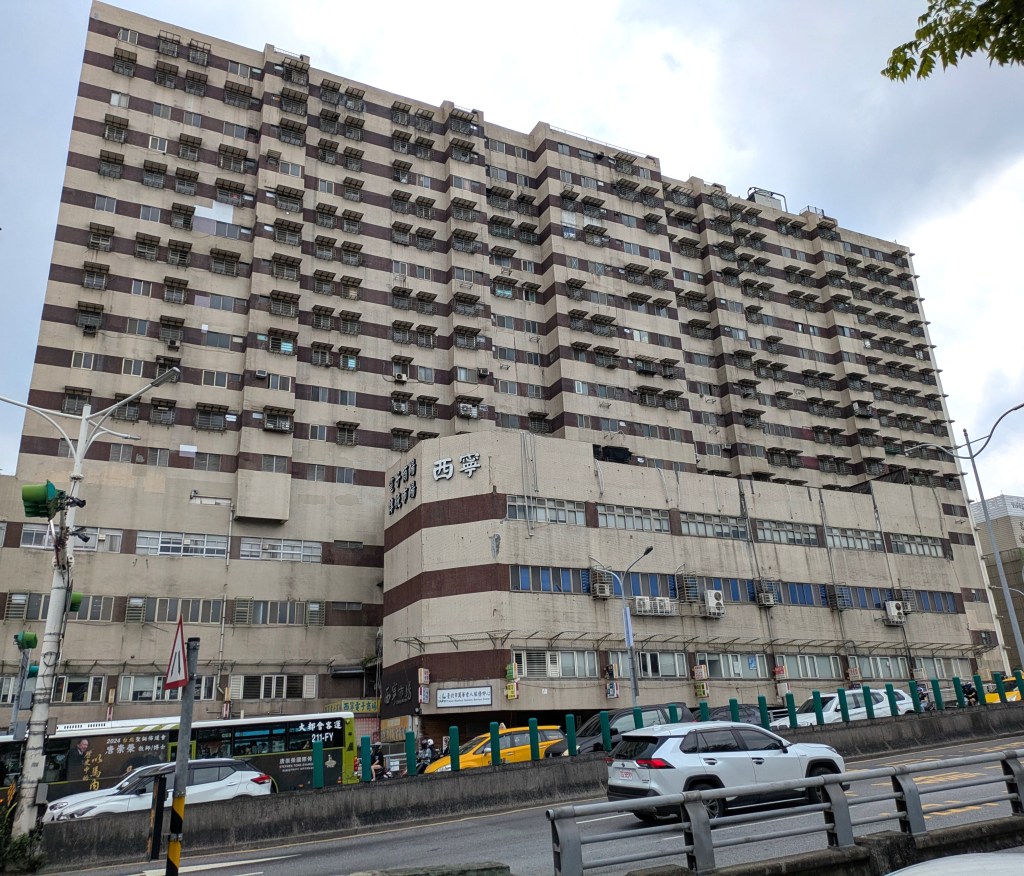
Even the average Taipei neighborhood can have its own charms. Hidden behind the major commercial avenues, there are networks of narrow lanes, with a mix of townhouses and small apartment buildings from the 1970s, ‘80s, and ‘90s. There are also many parks with big shaggy trees, their lower trunks often planted with purple orchids. Occasionally, I find tall blocks of social housing, built to house former residents of military dependents villages, most of which are now gone. Throughout Taipei’s humbler neighborhoods, I encounter anomalies: an abandoned house overgrown with plants; streets converging at odd angles next to a fancy, old building; or a long, thin park where a railway line once ran. Taipei’s history is visible everywhere, if you know how to look for it.
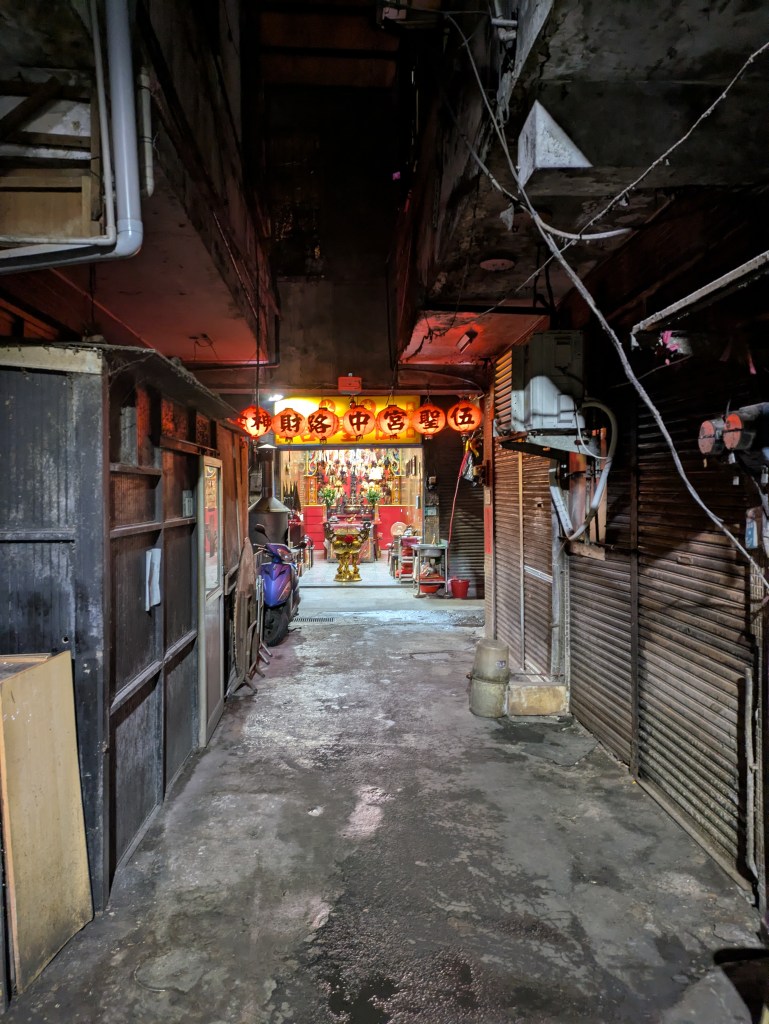
Every kilometer or so, wider market streets cut through, with a diversity of small, family-owned shops. Deliveries congest the sidewalks, grannies banter as they choose vegetables, and street-side stalls are abuzz with workers jammed in next to each other to eat lunch.
The city’s edge districts—such as Neihu, Beitou, and Muzha—are enjoyable to explore as the urban zone transitions to hillside or farmland, with green slopes of tall bamboo, verdant rice paddies, or fresh rivers rushing down from the forests above.
Almost anywhere in Taipei, the regular pace of life can be interrupted by a striking temple procession with costumed figures, god-icons in ornate palanquins, and deafening explosions of firecrackers.
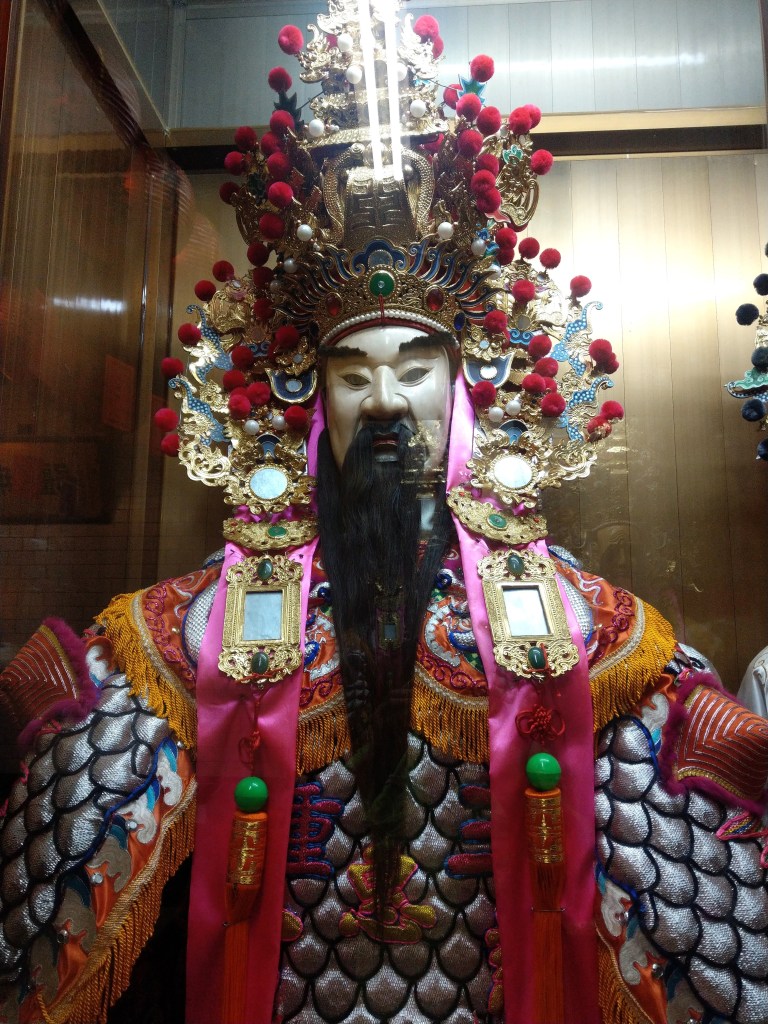
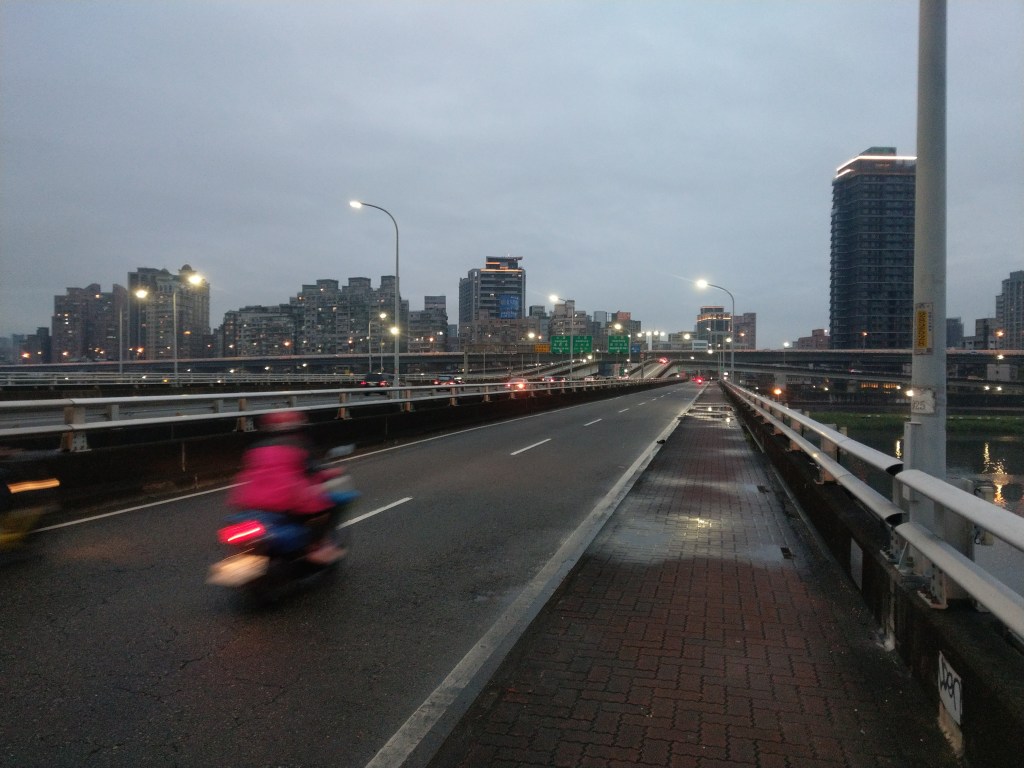
This is my Taipei: a quirky blend of tradition, local commerce, and fading reminders of its history—all set against a backdrop of intense modernization. With nature never too far away, and the calm kindness of most Taiwanese people, my journeys all around the city are enjoyable, as well as excellent mental stimulation for further research.
I am seeing the city I have lived in for over 20 years with new eyes. Yet on this 5th anniversary of Taiwanese Feet, I am full of memories of the freedom I felt as a younger man walking along the ocean’s edge.
If you are interested in Taiwanese Feet: My Walk Around Taiwan, or have any questions about my other work, don’t hesitate to send me a message through this site, email me at Taiwanese DOT feet AT Gmail DOT com.
Or contact me on Facebook:
https://www.facebook.com/Taiwanese.Feet

Thanks to John Ross of Plum Rain Press for having me on his podcast for Bookish Asia. Links below for the episode on:
Apple Podcasts https://podcasts.apple.com/tw/podcast/e-13-taiwanese-feet-my-walk-around-taiwan-by-john-groot/id1756322103?i=1000709496277

 The Culture Shack